
The Unseen Cost of Cleanliness: Exploring the History and Impact of the Soap Tax
- Congo Soap Company
- Dec 29, 2025
- 3 min read

Soap is something most people today take for granted. It is cheap, easy to find, and a basic part of daily hygiene. Yet, for nearly 200 years in Britain, soap was taxed heavily, making cleanliness a luxury few could afford. This tax shaped public health, industry, and social attitudes in ways that still echo today.
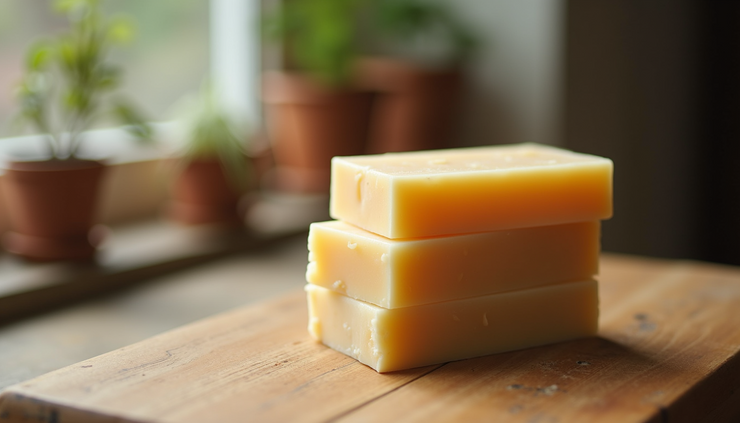
Why Soap Became a Tax Target
In the early 1700s, Britain faced constant financial pressure from wars and expanding government needs. To raise money, Parliament introduced excise taxes on everyday goods. These taxes targeted products people needed regularly, ensuring steady revenue.
Soap was an attractive target because:
It was widely used across social classes.
Production was centralized in factories, making it easier to monitor.
It was simple to measure and regulate.
In 1712, the government officially imposed a tax on soap production. This tax was not a small sales fee but a heavy excise duty that manufacturers had to pay based on the volume of soap they produced.
How the Soap Tax Worked
The tax system placed strict controls on soap makers. Excise officers had the authority to:
Inspect factories at any time.
Measure soap ingredients to ensure accurate taxation.
Control production schedules to prevent tax evasion.
These regulations discouraged innovation. Soap makers avoided improving recipes or creating higher-quality products because that could increase their tax burden. As a result, the soap available to the public was often harsh, poorly scented, and less effective.
The Impact on Public Health and Society
The soap tax had a direct effect on public health, especially among the poor. Wealthier families could afford taxed soap, but many working-class households could not. Soap became a rationed commodity or something to skip entirely.
At a time when cities were growing rapidly and sanitation was a major concern, this lack of affordable soap contributed to the spread of disease. Without regular washing, illnesses like cholera and typhoid spread more easily.
The tax also reinforced social inequalities. Cleanliness became a marker of wealth, and poor hygiene was often wrongly blamed on personal failure rather than economic barriers.
Effects on Industry and Innovation
The soap tax stifled the soap industry’s growth and innovation. Manufacturers had little incentive to improve their products or increase production because higher output meant higher taxes.
This slowed the development of milder, more effective soaps that could have improved public health. It also limited competition, keeping prices high and quality low.
Only after the tax was repealed in 1853 did the soap industry begin to flourish. New companies emerged, and soap became affordable and accessible to all social classes.
Lessons from the Soap Tax Era
The history of the soap tax offers important lessons about how taxation can affect everyday life and public health:
Taxes on essential goods can create unintended social and health problems.
Overregulation can stifle innovation and limit access to better products.
Economic barriers to basic hygiene can worsen public health crises.
Today, soap is cheap and widely available, but the soap tax reminds us that access to cleanliness was once a luxury. It also highlights the importance of considering the broader effects of taxation on society.
Moving Forward: Cleanliness as a Right
Understanding the soap tax history encourages us to think about access to hygiene in modern times. Clean water, soap, and sanitation remain challenges in many parts of the world. Ensuring these essentials are affordable and accessible is crucial for public health.
By learning from the past, policymakers can avoid repeating mistakes that make basic hygiene a privilege rather than a right.


Comments